Skin checks and skin cancer care
in Wollongong & Kiama
Comprehensive | Compassionate
Skin checks
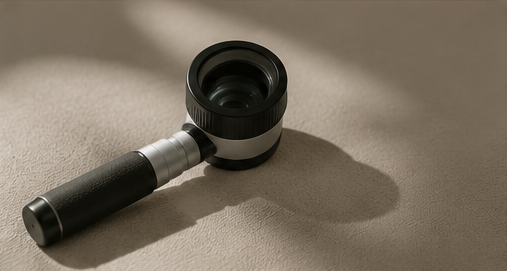
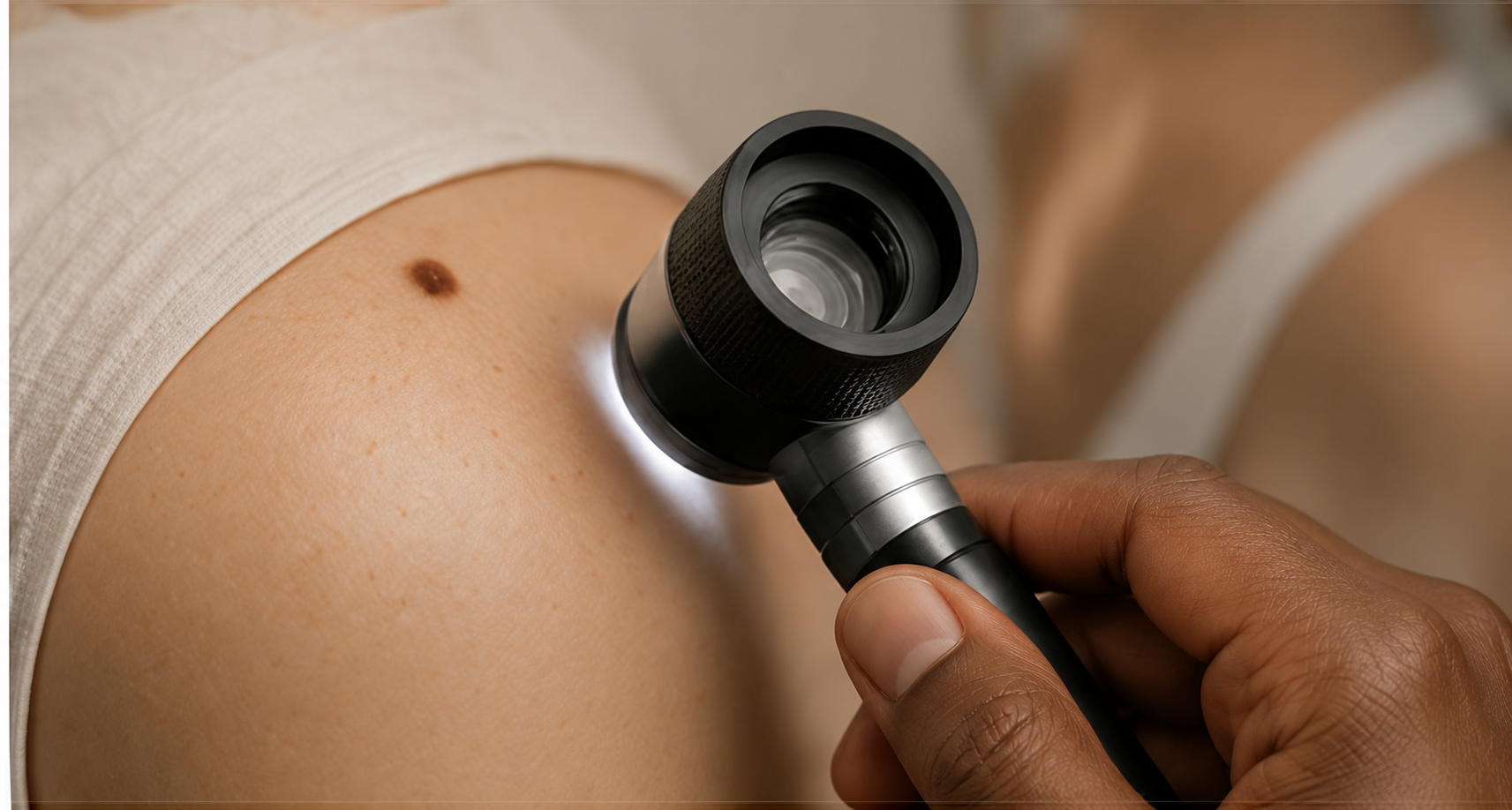
A skin check involves assessment of spots, moles and sun-damaged areas. Depending on the clinical situation, this may include dermoscopy, photography for monitoring, biopsy, treatment in general practice or referral to another specialist service.
Who may benefit?
Your risk is assessed by looking at factors such as:
previous skin cancers
family history of melanoma
fair or sun-sensitive skin
number of moles or unusual moles
history of sunburn or heavy UV exposure
visible sun damage or actinic keratoses
outdoor work or hobbies
immune suppression, including transplant medication
People at average risk should get to know their own skin and book an appointment if they notice a new, changing, bleeding, itchy, painful or non-healing spot.
People at higher risk may benefit from regular full skin checks, often every 6–12 months, depending on their risk factors and previous skin cancer history.
At your skin check, we can assess your risk and recommend a follow-up interval that is appropriate for you.
Changing spots
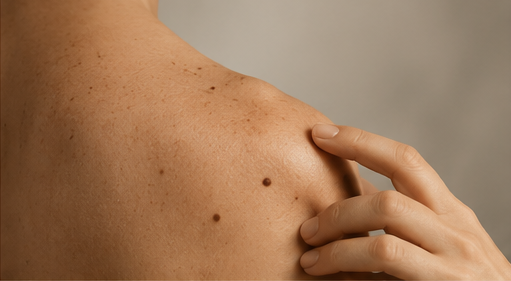
Please arrange a review if you notice a mole or spot that is changing, bleeding, crusting, painful, growing, or not healing.
If a lesion needs further assessment, options may include short-term monitoring, biopsy, excision, localised treatment or referral, depending on the clinical findings.
Follow-up will depend on clinical findings and pathology results.

Preparing for your skin check
Before your skin check, please avoid wearing make-up, fake tan or nail polish if possible, as these can make some areas harder to assess.
You may be asked to remove jewellery, watches or some clothing so that the skin can be examined properly.
Please let your doctor know if you take blood thinners, aspirin, fish oil, turmeric, ginkgo biloba or other supplements, and mention any drug allergies, sensitivities to dressings or previous reactions to local anaesthetic.
A female nurse can be available to assist with procedures or act as a chaperone if required.
About
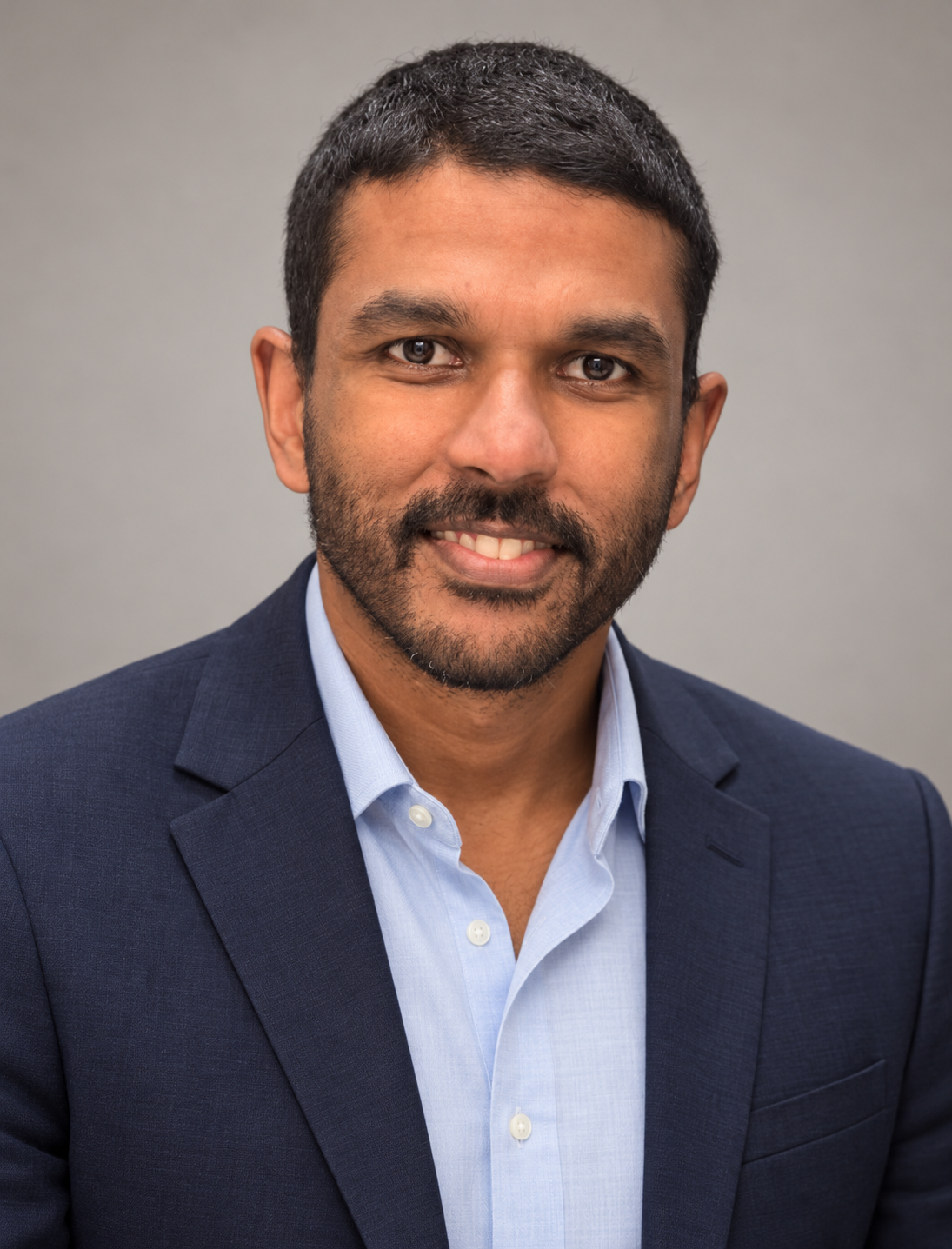
Dr Jonathan Bala is a general practitioner with more than 20 years of experience as a doctor and over 10 years in general practice. He has a particular interest in skin cancer medicine and consults in Wollongong and Kiama.
Jonathan attained Fellowship of the Royal Australian College of General Practitioners (FRACGP) in 2020. He holds a Professional Certificate in Skin Cancer Medicine, an Advanced Certificate in Dermatoscopy and a Professional Diploma in Skin Cancer Surgery.
His work includes skin checks, biopsies, cryosurgery (freezing), curettage (scraping selected lesions), skin cancer excisions, and wound repairs using skin flaps and grafts.
A skin flap moves nearby skin into a wound while keeping its blood supply attached. A skin graft uses skin taken from another part of the body to cover the wound. These repairs may be needed after removing a skin cancer when the wound is too large or tight to stitch closed directly, or to protect the shape and function of nearby structures.
Jonathan works closely with local dermatologists and plastic surgeons, arranging referral when specialist assessment or more complex treatment is needed. He focuses on careful assessment, clear explanations and care tailored to each patient.
Where to find me
Two locations across the Illawarra & South Coast
Please choose your preferred clinic location before booking.
Ochre Medical Centre Wollongong
Level 1, 51 Crown Street, Wollongong NSW 2500
Phone: (02) 4276 7000
Website: www.ochrehealth.com.au
Current consulting days: Tuesday, Thursday and Friday.
MedClinic Kiama Medical Centre
10/65 Manning Street, Kiama NSW 2533
Phone: (02) 4232 1122
Website: www.med-clinic.net.au
Current consulting days: Monday and Wednesday.
Patient Resources
Download patient information sheets about skin cancer prevention, skin cancers, other skin conditions and treatment options. Choose a category, then select a leaflet to open or print the PDF.
These information sheets support your consultation. Please follow the individual advice provided by your doctor.
Fees and estimates
Procedure fees depend on the type, size, number and location of lesions, and the complexity of treatment or wound repair.
Private fees may apply to biopsies, excisions, curettage, cryotherapy, skin flaps and skin grafts. Medicare rebates are usually available for eligible procedures.
Your treatment options, total fee and estimated out-of-pocket cost will be discussed before proceeding. Consultation fees and any separate pathology charges will be explained where applicable.
Please ask your clinic for the current fee and a personalised estimate when booking. Fees are being reviewed and may change.